
Definition of the cosmetics market
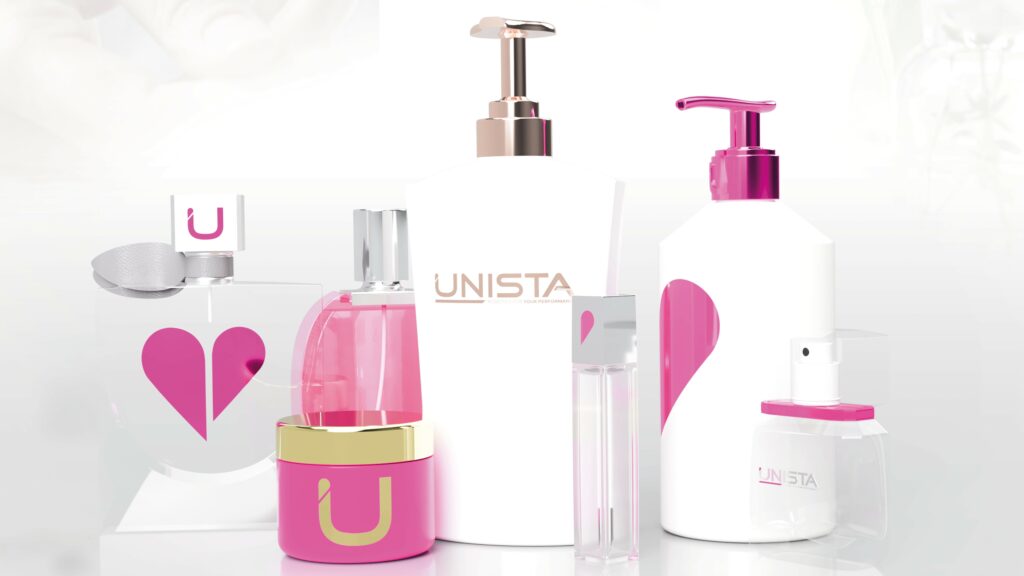
The cosmetics market encompasses the manufacture and packaging of skincare, makeup, perfume, and dermocosmetic products.
It is characterized by:
– Strong product innovation
– An increase in references
– High aesthetic standards
– A wide variety of packaging (bottles, jars, tubes, airless containers, pumps)
– Short, premium series
In this environment, industrial performance depends on equipment flexibility, operational precision, and the ability to absorb rapid format changes.
Cosmetics manufacturers and contract manufacturers must manage:
expertise & services
UNISTA is an industrial integrator specializing in the design of complete robotic lines and autonomous machines for the cosmetics industry. We operate in:
- Distribution of containers (bulk or pallet)
- High-precision filling
- Automated corking and capping
- Technical labeling
- Packaging
- Cash collection
- Robotic palletizing
- Specific filling stations
- Capping modules
- Automated packing stations
- Autonomous palletizing systems
- Assembly machines for cosmetic packaging
Our solutions can be integrated into an existing line or designed as part of an overall project.
- Robotics expertise & multi-format flexibility

The modularity of our equipment facilitates a gradual evolution towardsa fully automated line.
Unista Expertise
Our clients benefit from:
👉 UNISTA acts as a strategic industrial partner with a long-term vision.
the markets
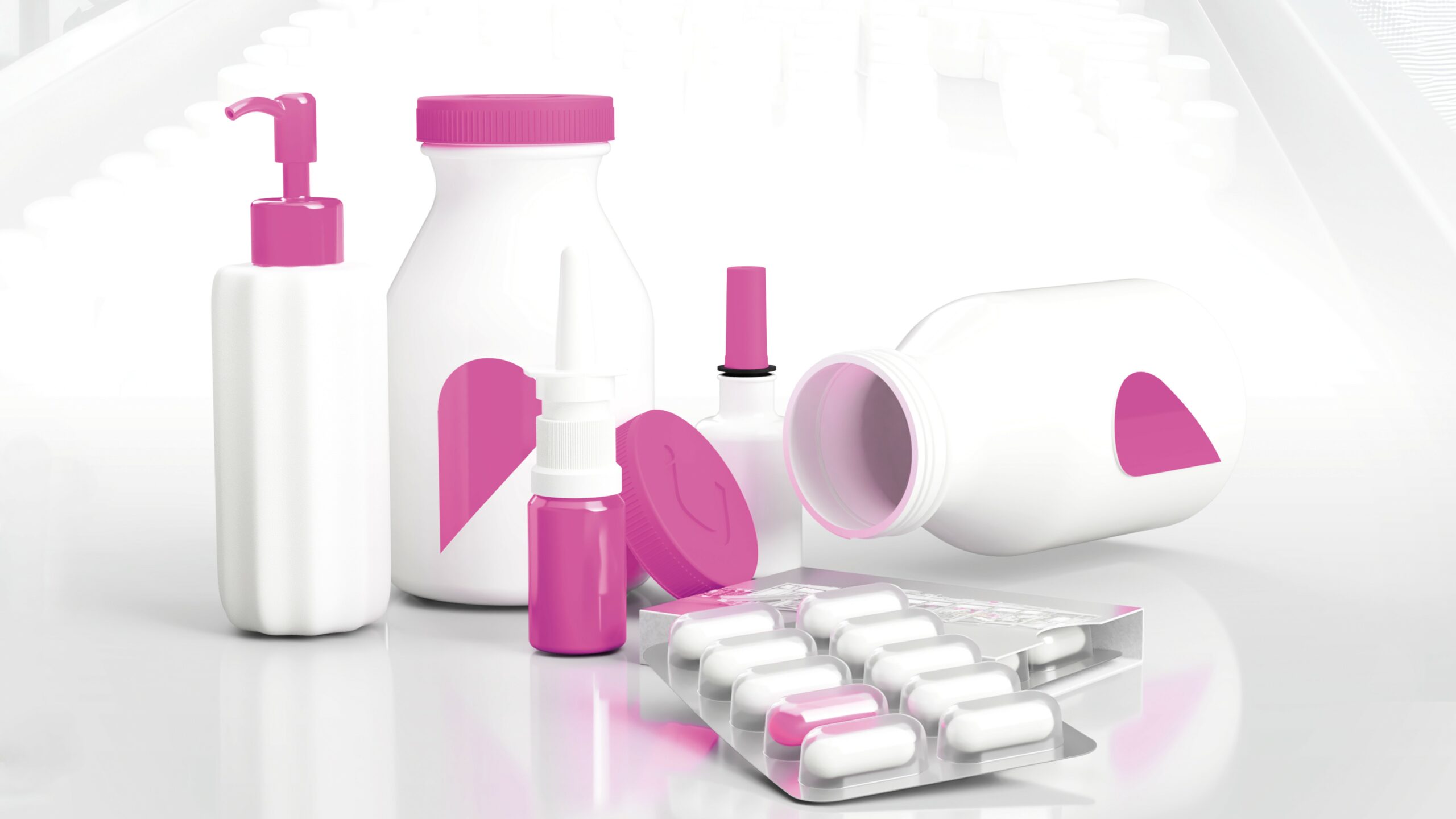

Health & Consumer Affairs
Performance, durability, and adaptability to new uses.
Complete lines & specialized equipment
No. UNISTA designs and integrates complete robotic lines, but can also supply stand-alone machines such as filling stations, capping modules, robotic case packing cells, or independent palletizing systems. Solutions are tailored to the customer's level of maturity and industrial needs.
A complete line covers the entire process, from container distribution to final palletizing.
A stand-alone machine is a specific piece of equipment integrated into an existing line, such as a filling module or a robotic cell.
Yes. Integrating robotic modules or standalone machines can improve performance, traceability, or safety without having to rebuild the entire line.
Yes. UNISTA equipment is designed to be integrated into existing industrial environments. This allows for the gradual modernization of a line without immediate overall investment.
Flexibility is based on:
Modular design
Automation of settings
Robotization of critical positions
Optimized tools
UNISTA offers both complete flexible lines and standalone modules designed for rapid changeovers.
It depends:
The current status of your line
Your performance goals
From your CAPEX budget
Your industrial development strategy
A technical study helps to identify the most appropriate solution.